Victoria’s capital is the definition of cool. Kick off your shoes in a hip hangout at Port Melbourne Beach or shop the latest styles in the chic neighborhood of St Kilda. Want to know more? Our insider, Jo Stewart, knows where to go.
Arriving into Port Phillip Bay you’ll be greeted by an industrious city that knows how to have a good time, whatever the weather. Famous for its fickle, four-seasons-in-one-day climate, Melbourne may greet you with sparkling sunshine, gray gloom, chilly breezes, or a bit of everything all at once.
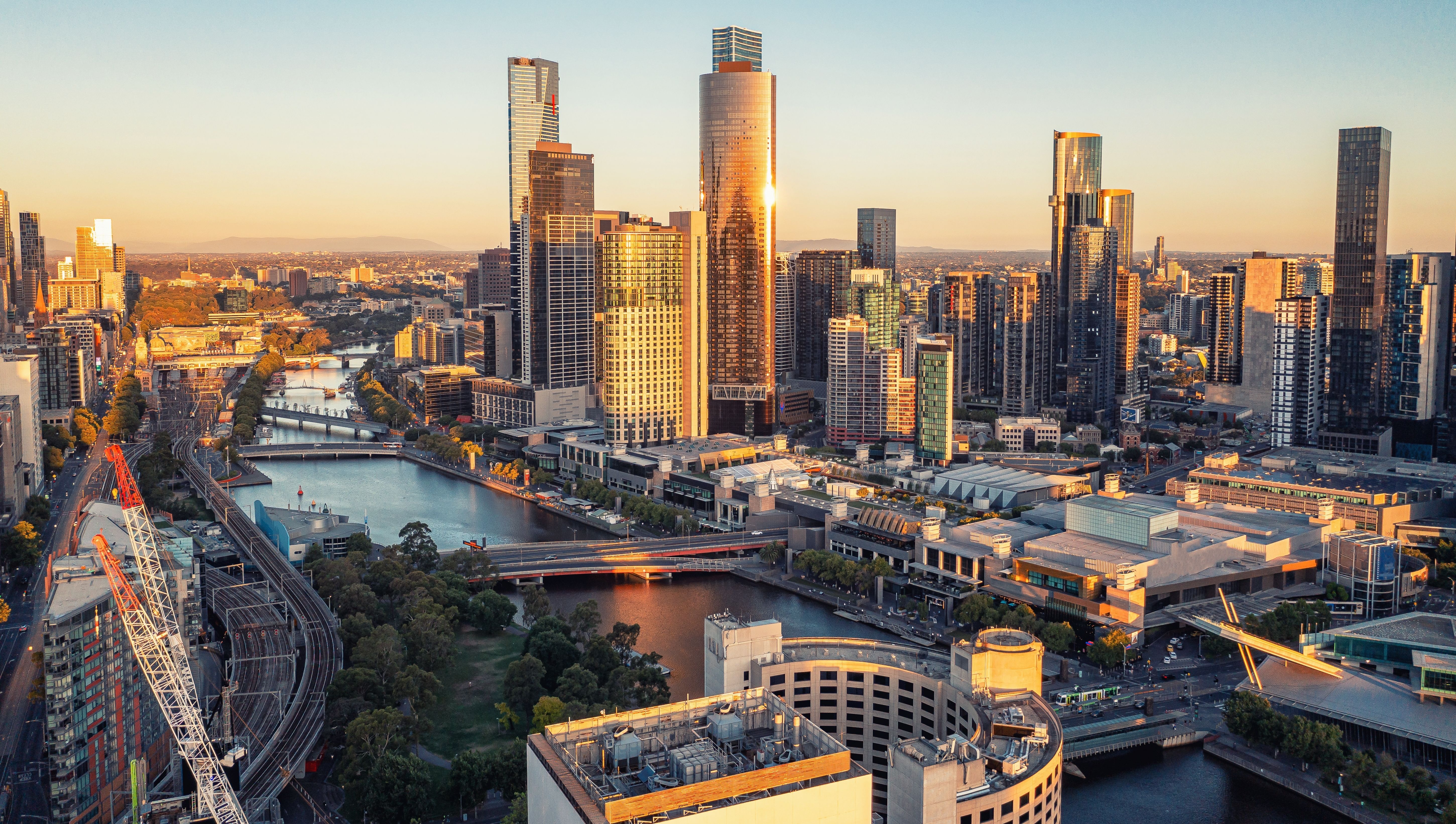
Having experienced many boom-and-bust cycles over the centuries, Melbourne’s skyline might look fairly modern, but at street level you’ll find remnants of the city’s chequered past. Bridging the years, the Eureka Tower is a 975-foot-high contemporary monument that refers to a mid-1800s rebellion known as the Eureka Stockade. Its golden crown symbolises the Victorian Gold Rush, while the red adornment represents the blood spilled during the famed revolt, which is credited with reshaping democracy here.
Modern-day Melbourne has much to thank its hard-working port for. As a vital transport hub established in the 1800s, Station Pier (formerly known as Railway Pier) has helped to shape the fortunes and face of Melbourne for centuries. English, Irish, and Chinese miners arrived here to make their fortune during the gold rush, followed by migrants from around the world. Originally built to enable the city’s burgeoning railway and maritime industries, this pier is a cornerstone of Melbourne’s industrial heritage and social history.
Now Melbourne’s gateway for cruise ships, Station Pier has moved with the times. Home to two shipping berths, two terminal buildings, a gatehouse, a former railway station building, and two kiosks, the pier’s central location and proximity to a tram line puts you in prime position to enjoy the riches of Melbourne.
What to see in Melbourne
In the mid-19th century this city seriously boomed, rapidly rising to become among the richest in the world off the back of the veins of gold found in Ballarat and surrounding regions. Coined 'Marvellous Melbourne' by a visiting British journalist in 1885, the streetscapes of Melbourne may have changed since those heady days, but the city remains every bit as marvelous.
Stay close to Station Pier and explore Port Melbourne, once known as Sandridge, on foot. Note the precinct’s pavers, gutters, and heritage buildings are made from Victorian bluestone, a prized, hardy building material used prolifically during the Victorian Gold Rush that has now become synonymous with this city.
Wet your whistle at one of Port Melbourne’s storied heritage pubs such as The Cricketers (still going strong after 153-plus years) and the grand Clare Castle, or taste Melbourne-made whisky at Starward Distillery & Bar (tours, tastings and the chance to fill and label your own bottle to take home can all be booked in advance online).
Now for some beach time. Kick off your shoes and feel the sand between your toes on Port Melbourne Beach, or hail a taxi to St Kilda Beach’s recently redeveloped pier (12 minutes). Almost 1,500 feet long, this is the biggest pier upgrade in Melbourne’s history. On the foreshore, stop by the St Kilda Sea Baths for a fruit smoothie, iced latte or glass of crisp, local sauvignon blanc at Beachcomber Café and Beach Bar.
Home to a diverse, multicultural population of lovers of food, wine, coffee, and culture, this UNESCO City of Literature is a great place to appreciate art in all forms. Take a 25-minute walk (1.1 miles) from Station Pier to reach Gasworks Arts Park in the leafy locale of Albert Park for one place to discover why. This arts precinct was once a gas plant but is now home to artists’ studios, a theatre, gallery, cafe, and wide, open green spaces dotted with sculptures.
While Melburnians are a diverse bunch, sport is the social glue that brings the city together. Known locally as the “G”, the Melbourne Cricket Ground is one of the largest stadiums in the world. The main stadium for the 1956 Olympic Games, this is also the spiritual home of cricket and Australian Rules football (AFL or Aussie Rules). Book a premium access tour to see the players’ change rooms, step into members-only areas such as the Long Room, and experience the thrill of standing on the hallowed turf of the ground where sporting legends have made their name since 1853.
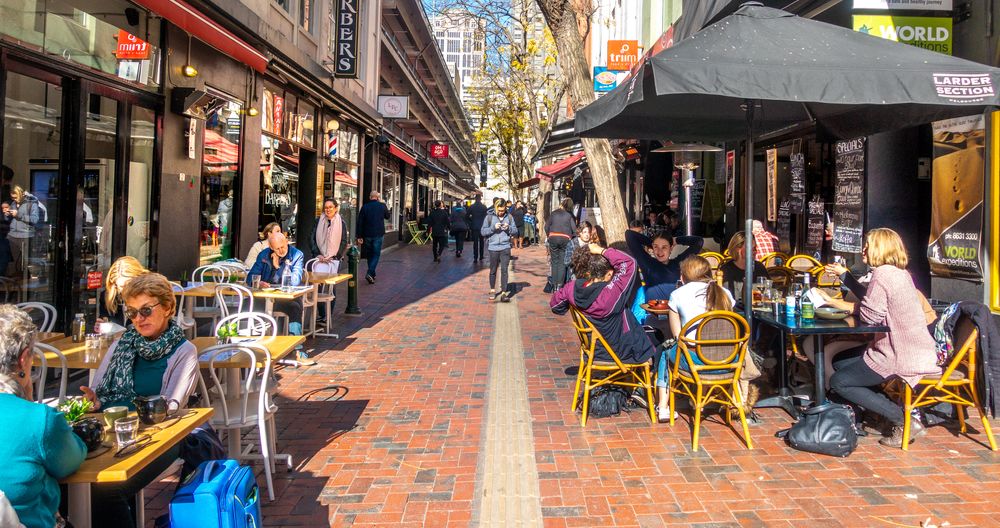
Afterwards, take a 20-minute stroll (0.87 miles) to Spring Street. Known as the “Paris End” of Melbourne, this classy corner of the city has an air of romance to it. In a few blocks, you’ll be able to tick off many oh-so-Melbourne institutions: order the store’s own gelati at Spring Street Grocer, pick up a page-turner at the long-standing Paperback Bookshop, savor oysters at The European, enjoy an espresso at the always-lively Pellegrini’s, or stop for martinis and Cuban cigars (if that’s your thing) served with a side of sublime city views on the airy terrace of Siglo. A few blocks south, get a taste of country Victoria at award-winning Farmer’s Daughter’s bar, deli, and restaurant. The hyper-local menu has been crafted to showcase the Gippsland region’s best produce, including Tambo Valley Honey, Lakes Entrance mussels, and alpine trout from Noojee.
Lose yourself in the natural wonder of the Royal Botanic Gardens Victoria. Founded in 1846, these enchanting, cultivated spaces cover 93 acres of land in inner-city Melbourne. Guided walks tap into expert local knowledge. The free general walk is a great all-rounder, while the bird walk is ideal for visitors keen to tick off a few feathered species they might not have seen before. For a memorable cultural experience, join a First People’s guide to learn about traditional plant uses, cultural practices, and their connection to the land we walk on. Need to rest your legs? Book a spot on the open-air Explorer bus instead.
It’s easy to go it alone, too. Wander the grounds and take in some of the 8,000 different plants here, including many rare and threatened native species. From spring to late autumn, you can take in the views while punting on the ornamental lake. Afterwards, make a beeline for the chic Terrace café for a snack, or preorder a picnic box to enjoy cured meats, pickles, panini, Australian cheese, and sweet treats on the lawn in the shade of Australia’s ubiquitous eucalyptus trees.
In the afternoon, cross the road to the International National Gallery of Victoria (or the NGV) – Australia’s oldest and most-visited gallery. Home to an impressive permanent collection of global and local art as well as blockbuster temporary exhibitions, you’ll be able to see works by the likes of Dalí, Degas, and Modigliani here.
With more time up your sleeve, get a deeper understanding of Melbourne’s top-notch gastronomic scene by booking a workshop. Melburnians take their coffee very seriously, so refine your palate during a two-hour coffee appreciation class run by local roasting heavyweight, Market Lane Coffee.
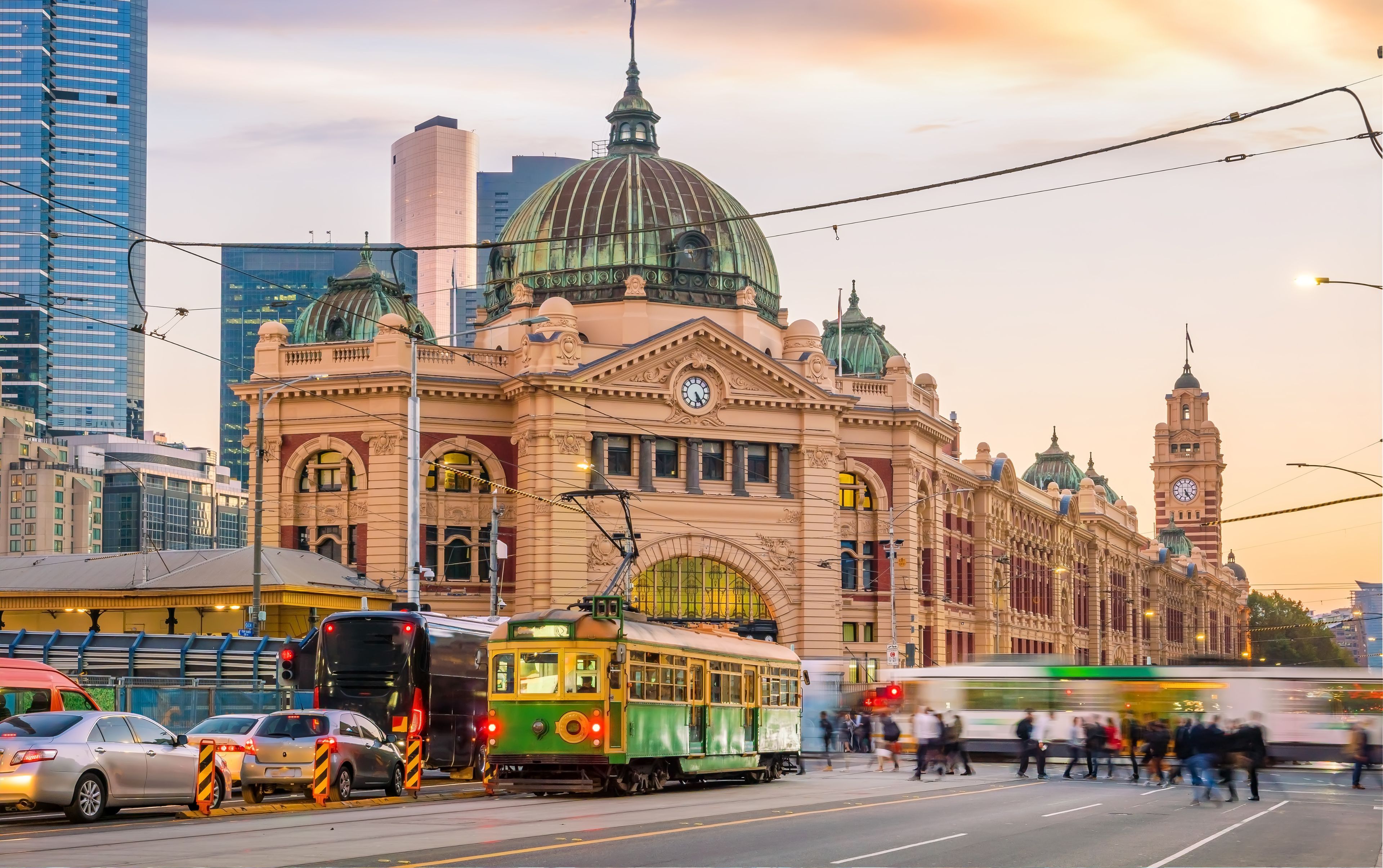
For making serendipitous discoveries at your own pace, catch the 11 or 86 tram from the city center to the eclectic neighboring areas of Fitzroy and Collingwood, where a mix of grit, grace, and grandeur can be found.
On Gertude Street in Fitzroy you’ll find classy wine bars, moody bistros, and independent, specialist boutiques such as Mud ceramics, Flâner Fragrances and Gewürzhaus Spice House. Busy Brunswick Street is an after-dark favorite thanks to its abundance of pubs, restaurants, bars, and bandrooms. But there’s plenty to see during the day too, including a wealth of vintage clothing stores such as Lost and Found Market and an everchanging streetscape of counter-culture graffiti art.
Don’t overlook the side streets and laneways – this is where some of Melbourne’s more interesting finds are. St David Street has Melbourne’s only urban micro-dairy, St David Dairy & Cafe, while around the corner you’ll find Rose Street Artists’ Market, a long-running weekend showcase of local artistic talent. From a pair of one-of-a-kind earrings to a whimsical painting, this is a good place to buy a slice of this creative city to take home.
Splitting Collingwood and Fitzroy, often-hectic Smith Street is full of contradictions. Crowned the world's coolest street by Time Out in 2021, this is the type of place where you can line up at super-busy N Lee Bakery for an $8 AUD banh mi, then talk shop with one of Australia’s most renowned violin makers at Alex Grant Violins. Be sure to visit Alimentari for European-style cakes and deli treats. Nearby, browse Happy Valley’s well-curated range of vinyl records, design tomes, and indie magazines.
How to spend an evening
Port Phillip Bay is home to a colony of Little Penguins. To see these curious creatures in the wild, head to the St Kilda Pier just before the sun sets to watch them hopping from rock to rock before roosting. For another perspective, book a sunset penguin cruise.
Afterwards, enjoy dinner and drinks at one of the many waterfront fine-dining eateries (The Stokehouse and Donovan’s are both top choices for seafood lovers). For a celebratory meal, go a little further afield for dinner to Attica in Ripponlea (a 17-minute taxi ride from Station Pier). This boundary-pushing serial entrant on the World's 50 Best Restaurants list is one of Australia’s most ambitious dining experiences. Chef Ben Shewry brings curiosity and creativity to the table with a thoroughly original menu that rewards open-minded food-and-wine connoisseurs. Be sure to book your table in advance – there are legions of fans lining up to experience modern Australia on a plate.
How to get around
Crystal runs shuttle buses to the nearest town or city on many of its cruises. When onboard ship, check departure points and times in your copy of our daily bulletin, Reflections.
To book a taxi, please inquire at the Concierge desk. Alternatively, there is a taxi rank on Station Pier itself directly outside where the ship is docked.
Leave Station Pier and walk a couple of hundred yards to Waterfront Place. Here you’ll see the Bay Trail running alongside Beach Street, a main arterial road that leads to the seaside neighborhood of St Kilda. Turn right onto the Bay Trail walking path to reach Port Melbourne Beach (0.43 miles) in 10 minutes, Middle Park Beach (1.9 miles) in 40 minutes, and eventually St Kilda Beach (2.9 miles) in 65 minutes. Alternatively, cross Waterfront Place to reach the tram stop, which connects you to the Southbank entertainment precinct’s bars and restaurants, and the city center.
The 109 tram leaves from stop 129 (Beacon’s Cove), directly opposite Station Pier on Waterfront Place. It takes about seven minutes to get to the Southbank area and 10 minutes to reach the city center.
You will need to buy a myki card and load it with funds to travel on public transport in Melbourne. Visit the myki customer service desk in the International Cruise Ship Terminal. Add more funds at myki machines at tram stops and train stations throughout the city.
The helpful TramTRACKER app gives real-time tram arrival updates. The Public Transport Victoria (PTV) website has timetable and journey planner information, too.
The 109 bus is a special express service that runs from the cruise terminal on Station Pier to the Southbank/Arts Centre area in the city 8am-5pm on cruise days. The bus departs from underneath the cruise arrivals area near the myki customer service desk.
A 13-minute taxi ride away, Southern Cross Station is the nearest train station and a hub for catching trains to all corners of Melbourne and beyond. The 109 tram also stops outside this train station which is also home to the Skybus coach terminus for transfers to Melbourne Airport’s domestic and international terminals. It will take about 25 minutes to reach Melbourne Airport using the Skybus from Southern Cross Station.
For short trips, use the Lime or Neuron apps to locate and hire your nearest bicycle or e-scooter (complete with attached helmet) to get around the Port Melbourne area. Please note, by law, you are required to wear the accompanying helmet when using a bicycle or e-scooter in Melbourne.
Home to wide streets, plenty of pedestrian crossings and mostly flat terrain, Melbourne is a very walkable city. Melbourne’s famous bluestone-paved alleyways can be uneven so may present a challenge for people who use mobility aids. The city’s tram tracks can also be slippery, so take care when crossing the street in wet weather.
Some trams and tram stops are more accessible than others. Currently, routes 11, 19, 96 and 109 are serviced by low-floor trams better suited to travelers who use mobility aids. All five city loop train stations (Parliament, Flagstaff, Melbourne Central, Southern Cross and Flinders Street) have elevators.
Located at Southern Cross and Flinders Street stations, Travellers Aid offers support, advice and assistance to all travelers, including those with special needs. Look for staff and volunteers wearing teal-colored polo shirts.
Similar Port Guides
PORT GUIDES
New York City Port Guide
It's the city that never sleeps and it looks like a movie set at every turn. Every street, every building has a story to share, and every encounter will bring its own unique energy.
A glitzy showcase for super-modern structures, vast malls, and fabulous dining, this metropolis is built to impress – and it will from the moment you arrive at Port Rashid.
Lose yourself in the Gothic Quarter, watch the shifting light in Gaudí’s Sagrada Familia – the Catalan capital is a city that’s easy to sail into, but hard to leave.